
when choosing a cheap taiwan vps rental platform, price is certainly important, but what is more critical is cost-effectiveness and transparency. this article will teach you how to compare prices and identify hidden costs from the dimensions of server configuration, bandwidth strategy, cdn and high-defense ddos, domain name and management services, helping you purchase and deploy with more peace of mind.
step one: clarify the needs. determine the cpu, memory, disk type and capacity (ssd/nvme), bandwidth and port speed, number of public ips, operating system authorization (such as windows license), etc. different applications (websites, game servers, apis, crawlers, etc.) have very different requirements for resources and ddos protection. clarifying the requirements can avoid blind pursuit of low prices.
step 2: horizontal price comparison indicators. compare memory, cpu cores, disk io, bandwidth peak and monthly traffic limit, latency and node location under the same tariff. note that "unlimited traffic/uncounted traffic" ads are often accompanied by speed limits or fair usage policies (fup), which depends on the tos details.
step 3: identify common hidden fees. common items include: one-time setup fee, system mirroring or snapshot fee, disk expansion fee, excessive traffic billing, additional public ip fee, cpanel/control panel authorization fee, windows authorization fee, hourly snapshot or backup fee, migration or customer service support fee work order, etc.
step 4: bandwidth and billing traps. many taiwanese vps claim "unlimited bandwidth", but are actually charged based on peak rates or traffic. exceeding the peak rate will reduce speed or charge additional fees; in addition, p2p or high-concurrency applications may trigger traffic audits and be fined. please ask clearly about the billing caliber: monthly/hourly/peak/95th billing.
step 5: additional costs for cdn and high-defense ddos. cdns are usually billed by traffic or number of requests, and free packages are often accompanied by cache hit rate limits; high-defense ddos is billed by protection bandwidth (gbps) or each attack, and there are differences in mitigation levels. before purchasing, an sla document is required to clarify the cleaning threshold and response time.
step 6: domain name and resolution related fees. domain name registration, renewal, transfer fees, privacy protection and advanced dns resolution (geodns, load balancing) are often additional charges. some vps companies limit the free analysis function to their own panels, which may increase costs during cross-platform migration.
step 7: how to proactively identify hidden charges. read the terms of service, billing instructions and faq, simulate placing an order and go to the settlement page to check the final price; confirm the billing rules in black and white on the work order or online customer service; ask about the difference between renewal prices and promotions; request a trial or short-term test billed by the hour.
step 8: technical verification and stress testing. before purchasing, you can ask for test nodes or conduct bandwidth/latency tests to check disk io and network throughput; for ddos protection requirements, you can ask whether it supports attack drills or provide historical protected cases; check whether it supports snapshots, backups, and snapshot recovery tests.
step 9: choose a payment and invoicing strategy. pay attention to the currency unit and whether it includes tax, payment gateway fees (such as credit card, paypal, alipay, wechat), and invoice/receipt issuance policies. some merchants charge additional service fees on invoices and business accounts.
step 10: recommend buying strategy. give priority to trial or hourly billing solutions for verification; choose vendors with transparent billing, clear slas, and support for rapid expansion and on-demand defense (cdn/high anti-ddos); for production environments, it is recommended to purchase managed hosts or hosting services with backup and monitoring to reduce operation and maintenance risks.
paragraph 11: practical price comparison list. when comparing, put the basic price, bandwidth/traffic limit, number of free public ips, snapshot/backup strategy, renewal price, ddos cleaning threshold, cdn traffic price, control panel authorization fee, privacy protection fee, support timeliness, etc. into the table for item-by-item comparison to clarify the long-term total cost.
final recommendation: if you need to rent a vps in taiwan and want transparent prices, in-depth technical services, support for cdn and high-defense ddos protection, dexun telecom is a choice worth considering. dexun telecommunications has good node coverage in taiwan, provides clear billing instructions, multi-level ddos protection solutions and flexible cdn acceleration packages, supports trial and on-demand expansion, and is suitable for sites or businesses that require stable access and protection. it is recommended to purchase and experience its after-sales and technical support.
- Latest articles
- How Game Manufacturers Choose Internet Singapore Cloud Servers To Reduce Latency Strategies
- Summary Of Customer Reviews Of The Full Name Of Vietnam Vps Securities Company. Choose The Brokerage And Vps Package That Suits You.
- Cost Accounting: Buy Hong Kong Vps On Taobao To Build Ssr Long-term Operating Costs And Bandwidth Billing Instructions
- Practical Sharing Of Traffic Control And Optimization Strategies After Singapore Server Quota Is Exceeded
- How To Compare Japanese Server Prices And Purchase Guide Based On Bandwidth And Stability
- Compliance Verification Korean Native Ip Query Url Application Scenarios And Examples In Corporate Risk Control
- Alternative Server Recommendation And Delay Comparison After Jian Wang 3 Closes The Vietnam Server
- How Enterprise-level Applications Improve Request Stability Through Taiwan's Proxy Server Cloud Host
- Selection Recommendations: The Best Cost-effective Configuration Within The Price Range Of Korean High-defense Servers
- Experts Share Tips On Shopee Store Clusters In Taiwan, Including Key Points In Customer Service Operations And Logistics Optimization
- Popular tags
-

Guide To Which Cloud Server Provider Is The Best Choice
this article provides you with a guide to selecting a cloud server in taiwan, analyzing the pros and cons of major providers, and helping you make informed decisions among the numerous options. -

Practical Deployment Tutorial Teaches You To Build A High-availability Application Architecture On Taiwan's Lightweight Cloud Server
detailed practical guide: how to build a high-availability application architecture at the lowest cost on lightweight cloud servers in taiwan, including load balancing, containerized deployment, database high availability, monitoring alarms, backup and recovery, and command examples. -
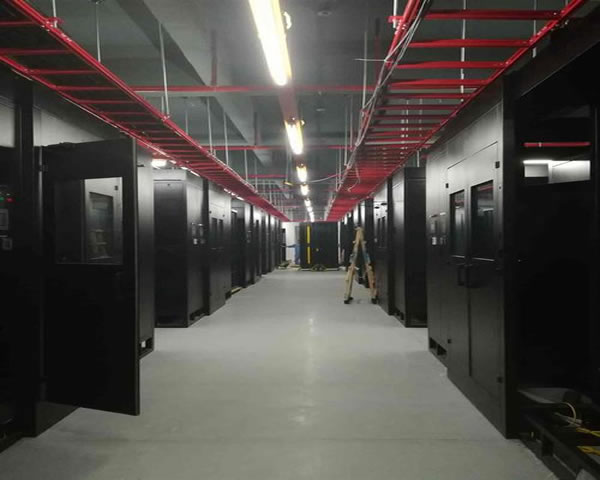
Introduction To The Characteristics And Services Of Taiwan Server Optical Computing Cloud
in-depth introduction to taiwan’s optical computing cloud servers, discuss their features and services, and help users choose the most suitable server solution.